FPV дрони в Україні: чому це головний тренд DefenceTech 2025–2026
Артем Мигович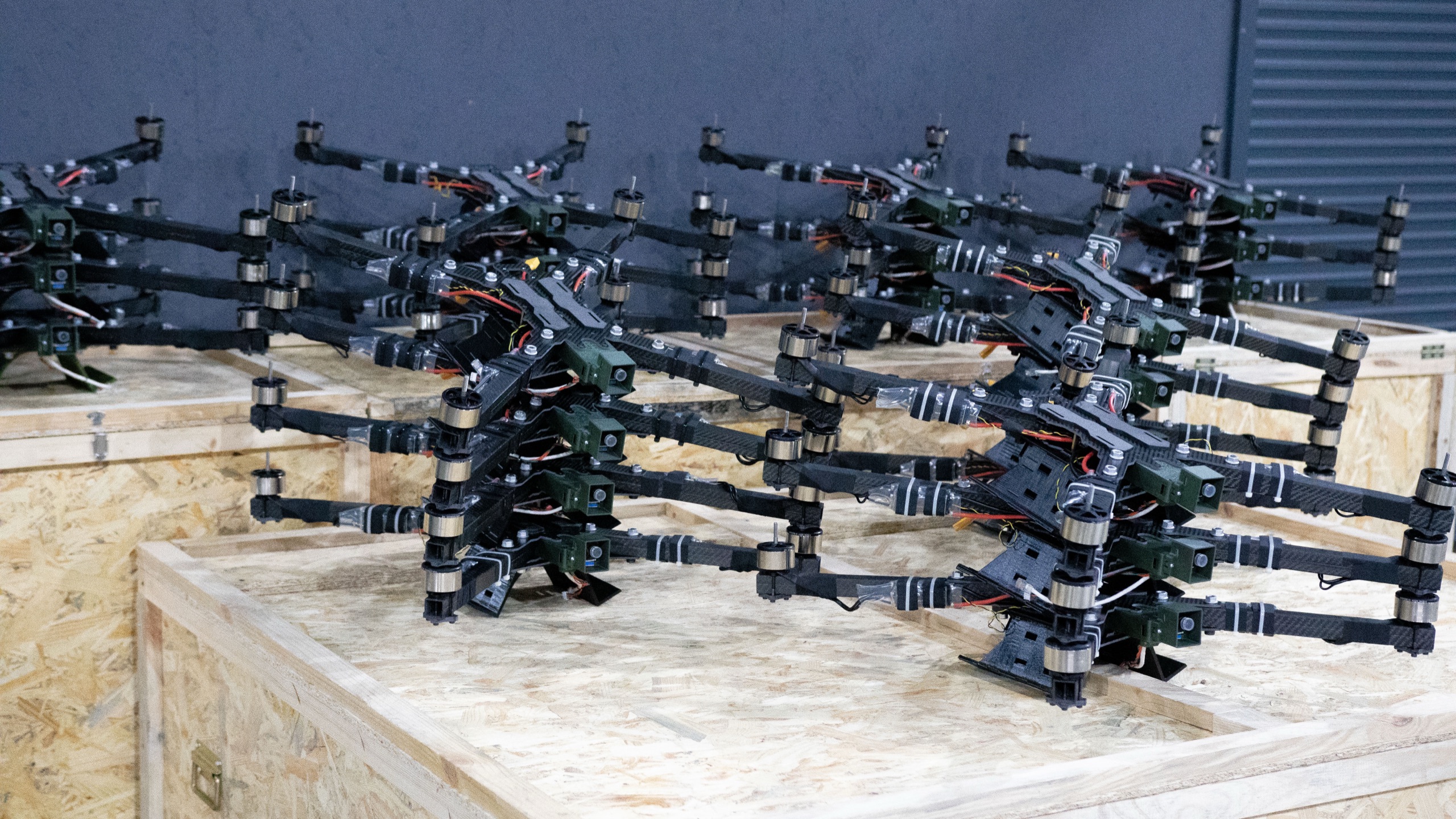
FPV дрони в Україні : чому це головний тренд DefenceTech 2025–2026
FPV (first-person view)-дрони за короткий час перетворилися з нішевого рішення на масовий продукт українського DefenceTech. Причина проста: вони поєднали швидкість розробки, масштабованість виробництва та відносно низьку вартість одиниці — у той момент, коли на полі бою критично важливі швидкі цикли “знайшли → вплинули → адаптувалися”.
За даними Reuters, роль малих FPV суттєво зросла у структурі бойових втрат і вплинула на тактику застосування важкої техніки, що фактично змінило «правила гри» на фронті.
FPV дрони в Україні — що саме сталося з ринком
Головна зміна — перехід від дрібних партій до системного масштабування: державні закупівлі, приватні виробники, інженерні команди та інвестори почали працювати як єдина “труба” від виробництва до користувача.
Reuters повідомляв, що Україна планувала різко збільшити закупівлі FPV у 2025 році до ~4,5 млн одиниць, і при цьому переважна частка мала бути українського виробництва. Паралельно українські медіа фіксували кратне зростання випуску дронів у 2025 році порівняно з 2024-м, що відображає саме тренд на індустріалізацію.
Чинники зростання: закупівлі, виробництво, екосистема
1) Масштаб закупівель і «мільйонні» обсяги
FPV дрони в Україні. Коли потреба вимірюється мільйонами, ринок змінюється: стандарти, контроль якості, постачання компонентів, сервіс і логістика стають не “додатком”, а ядром конкурентоспроможності.
2) Ріст виробничих потужностей
РНБО України у публічному підсумку за 2025 рік зазначало, що виробничі спроможності українського ОПК дозволяють виходити на дуже великі потенційні обсяги FPV .
3) Екосистема розвитку: координація, гранти, швидка доставка
Окремий драйвер — інституційна підтримка та “ринок інновацій”. Платформа Brave1 описується державою як координаційний майданчик для DefenseTech і публікує метрики щодо кількості розробок/грантів.
Також Міноборони публікувало дані про замовлення дронів через інструменти, що скорочують шлях від вибору до постачання (без занурення у чутливі деталі).
Технологічний вектор: стійкість, компоненти, швидкі ітерації
Тренд 2025–2026 — не лише “більше дронів”, а кращі характеристики в реальних умовах : стійкість до перешкод, надійність вузлів, повторюваність якості в серії, швидка заміна компонентів у ланцюгу постачання.
У медіа також з’являються приклади розвитку суміжних роботизованих рішень та підходів, які підвищують живучість систем в умовах протидії.
Що це означає для бізнесу та замовників у 2026 році
Для ринку FPV в Україні це означає кілька практичних наслідків (на рівні індустрії, без тактик застосування):
Стандартизація і якість стають ключовими: важлива повторюваність у серіях і контроль партій.
Компонентна база та локалізація — стратегічна перевага (стійкість ланцюга постачання).
Швидкі ітерації : рішення швидко оновлюються, а вимоги користувачів змінюються частіше, ніж у “мирних” галузях.
Партнерства та інтеграція : виграють ті, хто може забезпечити не лише продукт, а й стабільне постачання, сумісність, сервісний контур.
Додатково, оборонна індустрія України розвиває міжнародні виробничі та коопераційні формати, щоб зменшувати ризики виробництва під час атак — Reuters писав про запуск українського виробничого майданчика у Великій Британії як приклад такого підходу.
Як ISR Ukraine підходить до якості та інтеграції
У ISR Ukraine ми дивимося на FPV-напрям як на інженерний продукт у серії , де вирішальними є:
контроль якості та тестування партій,
стабільність комплектацій,
прозора специфікація для закупівель,
прогнозовані терміни постачання,
підтримка інтеграції під задачі замовника (у межах безпечної публічної інформації).
Хочете підібрати рішення під ваш запит і отримати консультацію команди ISR Ukraine? Перейдіть на сторінку Motanka та залиште запит, або напишіть через Контакти .
FPV drones in Ukraine: why they are the main trend of DefenceTech 2025–2026
FPV (first-person view) drones have, in a short time, transformed from a niche solution into a mass product of Ukrainian DefenceTech. The reason is simple: they combined speed of development, scalability of production, and a relatively low unit cost - at the very moment when fast “found → struck → adapted” cycles are critically important on the battlefield.
According to Reuters, the role of small FPVs grew significantly in the structure of combat losses and influenced the tactics of using heavy equipment, which effectively changed the “rules of the game” at the front.
FPV drones in Ukraine — what exactly happened to the market
The main change is the transition from small batches to systemic scaling: state procurement, private manufacturers, engineering teams, and investors began to work as a single “pipe” from production to the user.
Reuters reported that Ukraine planned to sharply increase FPV purchases in 2025 to ~4.5 million units, and that the overwhelming share was to be of Ukrainian manufacture. In parallel, Ukrainian media recorded a multifold increase in drone output in 2025 compared to 2024, which reflects precisely the trend towards industrialisation.
Drivers of growth: procurement, production, ecosystem
1) Scale of procurement and “millions” in volume
FPV drones in Ukraine. When the need is measured in millions, the market changes: standards, quality control, component supply, service, and logistics become not an “add-on,” but the core of competitiveness.
2) Growth of production capacity
The National Security and Defense Council of Ukraine, in its public summary for 2025, noted that the production capabilities of Ukraine’s defence-industrial complex make it possible to reach very large potential volumes of FPV.
3) Development ecosystem: coordination, grants, fast delivery
A separate driver is institutional support and the “innovation market.” The Brave1 platform is described by the state as a coordination hub for DefenceTech and publishes metrics on the number of developments/grants.
The Ministry of Defence also published data on drone orders through tools that shorten the path from selection to supply (without delving into sensitive details).
Technological vector: resilience, components, fast iterations
The 2025-2026 trend is not only “more drones,” but better characteristics in real conditions: resistance to interference, reliability of units, repeatability of quality across a series, fast replacement of components in the supply chain.
In the media, examples of the development of adjacent robotic solutions and approaches that increase the survivability of systems under conditions of countermeasures also appear.
What this means for business and customers in 2026
For the FPV market in Ukraine, this means several practical consequences (at the industry level, without application tactics):
Standardisation and quality become key: repeatability across series and batch control matter.
The component base and localisation are a strategic advantage (supply chain resilience).
Fast iterations: solutions are updated quickly, and user requirements change more often than in “peacetime” industries.
Partnerships and integration: those who can provide not only a product, but also stable supply, compatibility, and a service loop will win.
Additionally, Ukraine’s defence industry is developing international production and cooperation formats to reduce production risks during attacks - Reuters wrote about the launch of a Ukrainian production site in the United Kingdom as an example of such an approach.
How ISR Ukraine approaches quality and integration
At ISR Ukraine we view the FPV direction as an engineering product in series, where the decisive factors are:
quality control and batch testing,
stability of configurations,
a transparent specification for procurement,
predictable delivery timelines,
support for integration tailored to the customer’s tasks (within the bounds of safe public information).
Want to select a solution for your request and get a consultation from the ISR Ukraine team? Go to the Motanka page and leave a request, or write to us through the Contact section.