Як влаштований FPV на оптоволокні: ключові компоненти та принцип роботи
ISR UKRAINE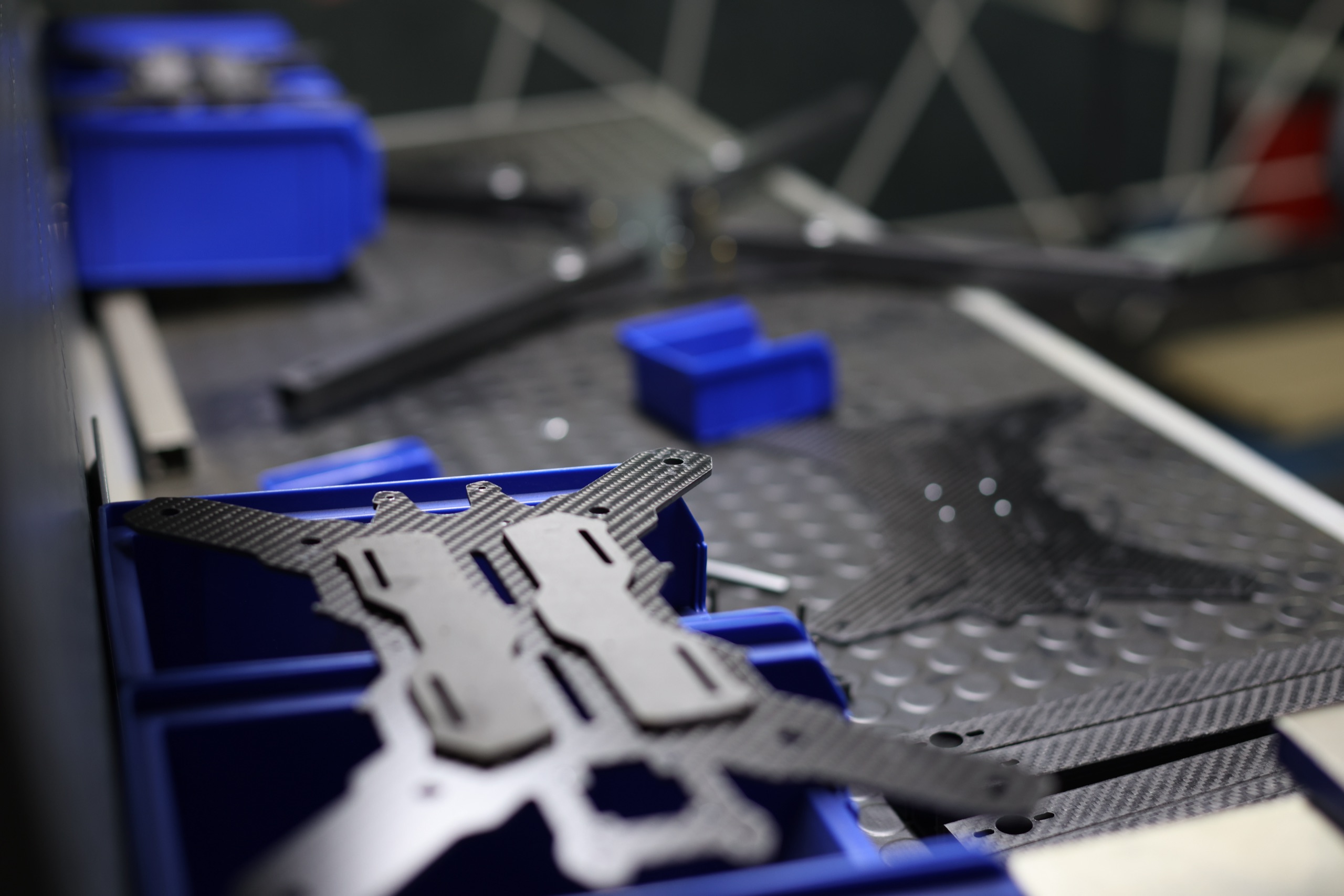
FPV на оптоволокні: основні компоненти системи
FPV на оптоволокні — це інженерна система, у якій критично важливу роль відіграють не лише окремі модулі, а й якість їх інтеграції, стабільність каналу передавання даних та надійність у реальних умовах експлуатації. Для B2B-аудиторії важливо розуміти не стільки перелік деталей, скільки логіку архітектури: з яких вузлів складається платформа, як вони взаємодіють і які параметри визначають загальну якість рішення.
Що таке FPV на оптоволокні
У загальному сенсі FPV на оптоволокні — це система, де передавання сигналу організоване через оптичний канал. Такий підхід розглядають там, де критичними є стабільність зв’язку, передбачуваність роботи та контроль якості сигналу. Для замовника це означає, що оцінювати потрібно не тільки платформу як таку, а весь комплекс: механіку, електроніку, логіку передавання даних і виробничу культуру постачальника.
Типова система складається з кількох базових груп компонентів.
Це конструктивна основа, на якій розміщуються функціональні модулі. Саме вона визначає жорсткість, розподіл навантажень, зручність сервісу та стійкість до вібрацій. Якісна платформа — це не лише матеріал, а й точність виготовлення, повторюваність геометрії та продумана інтеграція вузлів.
Канал передавання даних
Оптоволоконний канал у такій архітектурі є ключовим елементом системної логіки. На практиці важливі не лише базові характеристики самого каналу, а й стабільність з’єднань, захист чутливих ділянок, контроль втрат сигналу та узгодженість із бортовою електронікою.
До цього блоку входять електронні модулі, що забезпечують обробку сигналів, координацію вузлів і загальну керованість платформи. Для замовника важливо, щоб електроніка мала прогнозовану якість, проходила перевірку сумісності та демонструвала стабільну поведінку від партії до партії.
Навіть якісна архітектура не працюватиме стабільно без правильно організованого живлення. Увагу варто приділяти узгодженню електричних навантажень, захисту вузлів, якості компонентної бази та повторюваності параметрів у серійному виробництві.
Оптичний модуль і з’єднання
Саме тут найчастіше проявляється різниця між прототипом і зрілим виробом. Якість оптичних з’єднань, захист лінії, культура монтажу, перевірка сумісності та контроль дефектів безпосередньо впливають на стабільність усієї системи.
Як працює FPV на оптоволокні в загальному вигляді
Якщо спростити, система працює як інтегрований комплекс: механічна основа забезпечує фізичну стабільність, електроніка координує роботу, живлення підтримує працездатність модулів, а оптоволоконний канал забезпечує передавання даних у межах заданої архітектури. Для B2B-замовника головне питання полягає не в окремій деталі, а в тому, наскільки виробник здатний забезпечити цілісність системи та контроль її якості.
Які фактори впливають на стабільність і надійність:
Стабільність системи визначається кількома групами факторів:
точністю виробництва та складання;
якістю компонентної бази;
контрольованістю інтеграції;
повторюваністю характеристик;
сервісною придатністю.
Надійне рішення — це не просто набір сумісних частин. Це виробничий процес, у якому кожен вузол проходить перевірку, а вся система оцінюється як єдиний продукт.
На що звертати увагу при виборі рішення
Для замовників, інтеграторів і партнерів доцільно оцінювати постачальника за такими критеріями: прозорість технічного опису, контроль якості, зрілість виробничих процесів, стабільність партій, наявність сервісної логіки та здатність адаптувати рішення під вимоги проєкту.
FPV на оптоволокні — це насамперед питання інженерної культури. І саме вона відрізняє демонстраційний зразок від системного рішення, придатного для масштабування, постачання та довгострокової співпраці.
Потрібна консультація щодо технічного рішення або співпраці — зверніться
Fibre-optic FPV: the main components of the system
Fibre-optic FPV is an engineering system in which a critically important role is played not only by the individual modules, but also by the quality of their integration, the stability of the data transmission channel, and reliability in real operating conditions. For a B2B audience, it is important to understand not so much a list of parts as the logic of the architecture: which units make up the platform, how they interact, and which parameters determine the overall quality of the solution.
What fibre-optic FPV is
In a general sense, fibre-optic FPV is a system in which signal transmission is organised through an optical channel. This approach is considered where the stability of the link, the predictability of operation, and control of signal quality are critical. For the customer this means that it is necessary to evaluate not only the platform as such, but the entire complex: the mechanics, the electronics, the logic of data transmission, and the production culture of the supplier.
A typical system consists of several basic groups of components.
This is the structural foundation on which the functional modules are mounted. It is precisely this that determines rigidity, load distribution, ease of servicing, and resistance to vibration. A quality platform is not only the material, but also the precision of manufacture, the repeatability of geometry, and a well-thought-out integration of units.
Data transmission channel
The fibre-optic channel in such an architecture is a key element of the system logic. In practice, what matters is not only the basic characteristics of the channel itself, but also the stability of connections, the protection of sensitive sections, control of signal loss, and consistency with the onboard electronics.
This block includes the electronic modules that provide signal processing, coordination of units, and overall controllability of the platform. For the customer it is important that the electronics have predictable quality, undergo compatibility verification, and demonstrate stable behaviour from batch to batch.
Even a quality architecture will not work stably without properly organised power supply. Attention should be paid to balancing electrical loads, protecting units, the quality of the component base, and the repeatability of parameters in serial production.
Optical module and connections
This is precisely where the difference between a prototype and a mature product most often appears. The quality of optical connections, line protection, assembly culture, compatibility verification, and defect control directly affect the stability of the entire system.
How fibre-optic FPV works in general terms
To simplify, the system works as an integrated complex: the mechanical foundation provides physical stability, the electronics coordinate operation, the power supply keeps the modules operational, and the fibre-optic channel provides data transmission within the given architecture. For a B2B customer, the main question lies not in an individual part, but in how capable the manufacturer is of ensuring the integrity of the system and control of its quality.
What factors affect stability and reliability:
System stability is determined by several groups of factors:
precision of manufacture and assembly;
quality of the component base;
controllability of integration;
repeatability of characteristics;
serviceability.
A reliable solution is not just a set of compatible parts. It is a production process in which each unit undergoes verification, and the entire system is evaluated as a single product.
What to pay attention to when choosing a solution
For customers, integrators, and partners, it is advisable to evaluate a supplier by the following criteria: transparency of the technical description, quality control, maturity of production processes, batch stability, the presence of service logic, and the ability to adapt the solution to project requirements.
Fibre-optic FPV is, first and foremost, a matter of engineering culture. And it is precisely this that distinguishes a demonstration sample from a systemic solution suitable for scaling, supply, and long-term cooperation.
If you need a consultation on a technical solution or cooperation, get in touch.