FPV-дрони в Україні: як РЕБ, автономізація та нові канали зв’язку змінюють технологічну гонку
ISR UKRAINE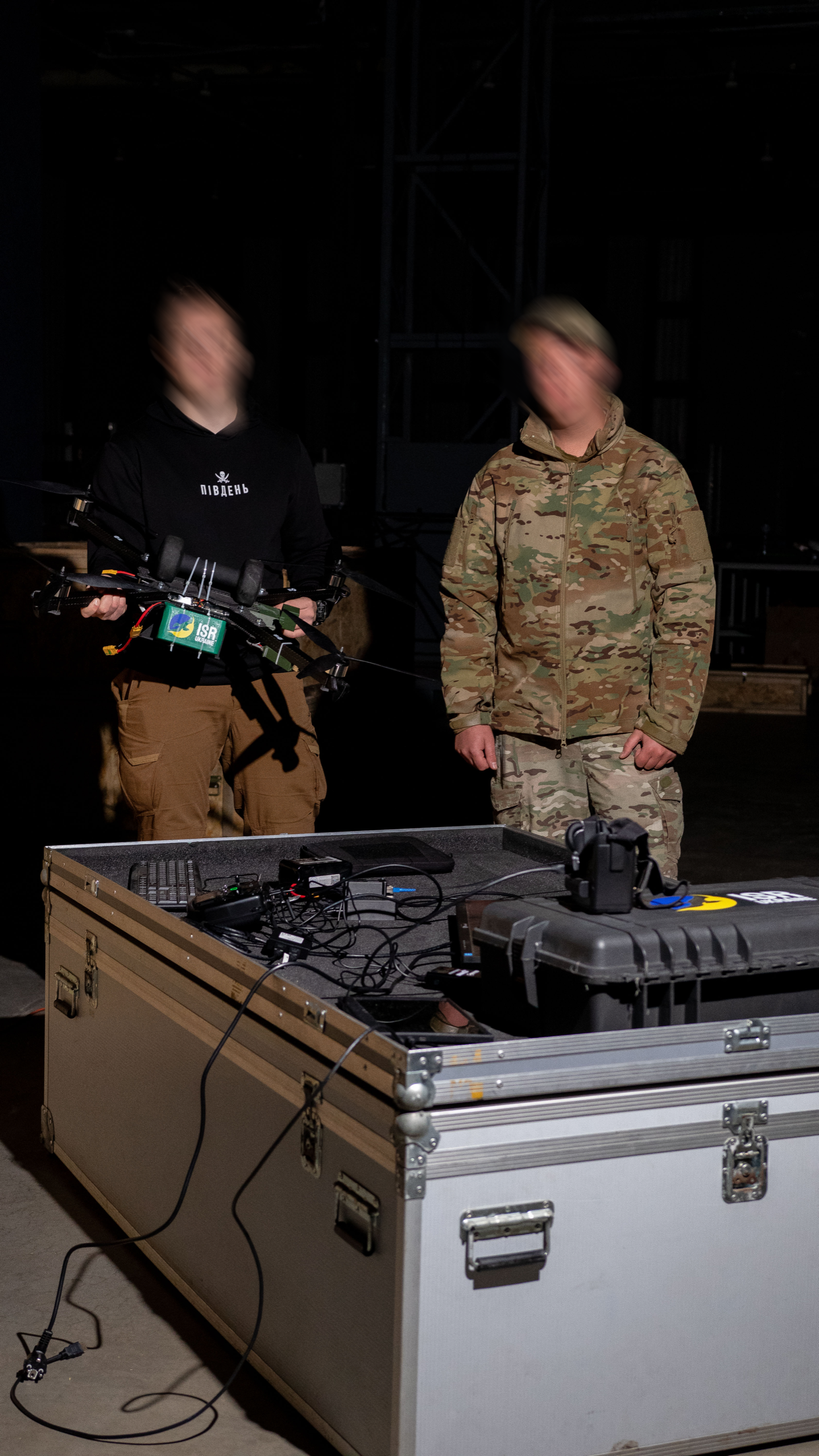
FPV більше не існують у “простому” середовищі
Сьогодні FPV-дрони в Україні розвиваються в умовах постійної технологічної конкуренції. Якщо на ранньому етапі головними перевагами були доступність і масовість, то зараз фокус змістився на витривалість систем у середовищі активної радіоелектронної боротьби, втрати сигналу, змінних погодних факторів і швидких інженерних контрзаходів. Саме тому західні медіа дедалі частіше пишуть не просто про FPV, а про ширшу еволюцію дронових систем, де ключовими стають програмне забезпечення, навігація, оптика, канали зв’язку та елементи автономності.
Як FPV-дрони в Україні змінюються під впливом РЕБ
The Economist та Financial Times звертають увагу на те, що велика частка FPV втрачається або не досягає результату саме через радіоелектронний вплив та загальну складність середовища. Це зробило стійкість до перешкод одним із головних критеріїв для наступного покоління платформ. У такій ситуації виробники починають конкурувати не тільки за ціну чи тягу, а за якість зв’язку, стабільність відеоканалу, логіку резервування управління та здатність системи зберігати працездатність у насиченому електронному середовищі. Фактично РЕБ перетворила FPV із “дешевого розхідника” на інженерний продукт, де вирішальне значення має системний дизайн.
Волоконно-оптичні рішення як новий етап
Західні видання також фіксують зростання уваги до волоконно-оптичних дронів як відповіді на проблему глушіння сигналу. У ширшому сенсі це показує головну рису українського й загалом сучасного дронового ринку: платформи еволюціонують не лінійно, а через постійне подолання конкретних технічних обмежень. Там, де одна архітектура втрачає ефективність, з’являється нова.
Автономізація вже не виглядає експериментом
У 2025–2026 роках західні медіа описували, як Україна відкриває доступ до великих масивів бойових даних для навчання AI-моделей і як автономні функції поступово стають частиною безпілотних систем. Ідеться не лише про великі далекобійні платформи: загальний тренд полягає в тому, що дрони отримують дедалі більше можливостей діяти в умовах часткової втрати зв’язку або складної навігаційної обстановки. Для FPV-напряму це особливо важливо, оскільки саме короткий цикл реакції та здатність системи зберігати працездатність визначають її майбутню ефективність у щільно насиченому середовищі.
Дані стають такою ж цінністю, як і самі платформи
Окремий висновок західної преси полягає в тому, що перевага в дроновій війні формується не тільки виробничими потужностями. Вона дедалі більше залежить від даних: відео, телеметрії, сценаріїв польоту, патернів втрати зв’язку та умов середовища. У майбутньому саме доступ до таких масивів може стати ключовою конкурентною перевагою компаній і держав.
Що це означає для ринку FPV в Україні
Український FPV-сектор рухається від моделі “зібрати якомога більше” до моделі “постійно покращувати архітектуру системи”. Це означає зростання ролі інженерних команд, embedded-розробки, комп’ютерного бачення, систем зв’язку, тестування та інтеграції програмного забезпечення. На цьому етапі український ринок цікавий не тільки масовістю, а й здатністю швидко перетворювати практичний досвід на технічне вдосконалення. Саме тому FPV-дрони в Україні дедалі частіше розглядаються як точка перетину виробництва, data engineering і прикладної оборонної електроніки.
Подальший розвиток FPV в Україні визначатиметься не лише кількістю платформ, а швидкістю технологічної адаптації. РЕБ, нові канали зв’язку, автономні функції та робота з даними вже змінюють саму логіку конкуренції на ринку. Перемагає не той, хто просто виробляє багато, а той, хто швидко оновлює систему.
FPV no longer exists in a “simple” environment
Today, FPV drones in Ukraine are developing amid constant technological competition. If in the early stage the main advantages were affordability and mass scale, now the focus has shifted to the resilience of systems in an environment of active electronic warfare, signal loss, variable weather factors, and rapid engineering countermeasures. This is exactly why Western media increasingly write not simply about FPV, but about the broader evolution of drone systems, where software, navigation, optics, communication channels, and elements of autonomy become key.
How FPV drones in Ukraine are changing under the influence of EW
The Economist and Financial Times point out that a large share of FPVs are lost or fail to achieve a result precisely because of electronic warfare effects and the overall complexity of the environment. This has made resistance to interference one of the main criteria for the next generation of platforms. In this situation, manufacturers begin to compete not only on price or thrust, but on the quality of the link, the stability of the video channel, the logic of control redundancy, and the system’s ability to remain operational in a saturated electronic environment. In effect, EW has transformed FPV from a “cheap consumable” into an engineering product, where system design is decisive.
Fibre-optic solutions as a new stage
Western publications also note the growing attention to fibre-optic drones as a response to the problem of signal jamming. In a broader sense, this shows the main feature of the Ukrainian and generally modern drone market: platforms evolve not linearly, but through constantly overcoming specific technical limitations. Where one architecture loses effectiveness, a new one appears.
Autonomization no longer looks like an experiment
In 2025-2026, Western media described how Ukraine is opening access to large arrays of combat data for training AI models, and how autonomous functions are gradually becoming part of unmanned systems. This is not only about large long-range platforms: the general trend is that drones gain ever more capabilities to act under conditions of partial loss of communication or a complex navigation situation. For the FPV direction this is especially important, since it is precisely the short reaction cycle and the system’s ability to remain operational that determine its future effectiveness in a densely saturated environment.
Data is becoming just as valuable as the platforms themselves
A separate conclusion of the Western press is that an advantage in drone warfare is shaped not only by production capacity. It depends increasingly on data: video, telemetry, flight scenarios, patterns of communication loss, and environmental conditions. In the future, it is precisely access to such arrays that may become the key competitive advantage of companies and states.
What this means for the FPV market in Ukraine
The Ukrainian FPV sector is moving from a “build as many as possible” model to a “continuously improve the system architecture” model. This means a growing role for engineering teams, embedded development, computer vision, communication systems, testing, and software integration. At this stage, the Ukrainian market is interesting not only for its mass scale, but also for its ability to quickly turn practical experience into technical improvement. This is exactly why FPV drones in Ukraine are increasingly viewed as a point of intersection of production, data engineering, and applied defence electronics.
The further development of FPV in Ukraine will be determined not only by the number of platforms, but by the speed of technological adaptation. EW, new communication channels, autonomous functions, and working with data are already changing the very logic of competition in the market. The winner is not the one who simply produces a lot, but the one who quickly updates the system.