FPV-дрони в Україні: як масове виробництво стало окремою технологічною галуззю
ISR UKRAINE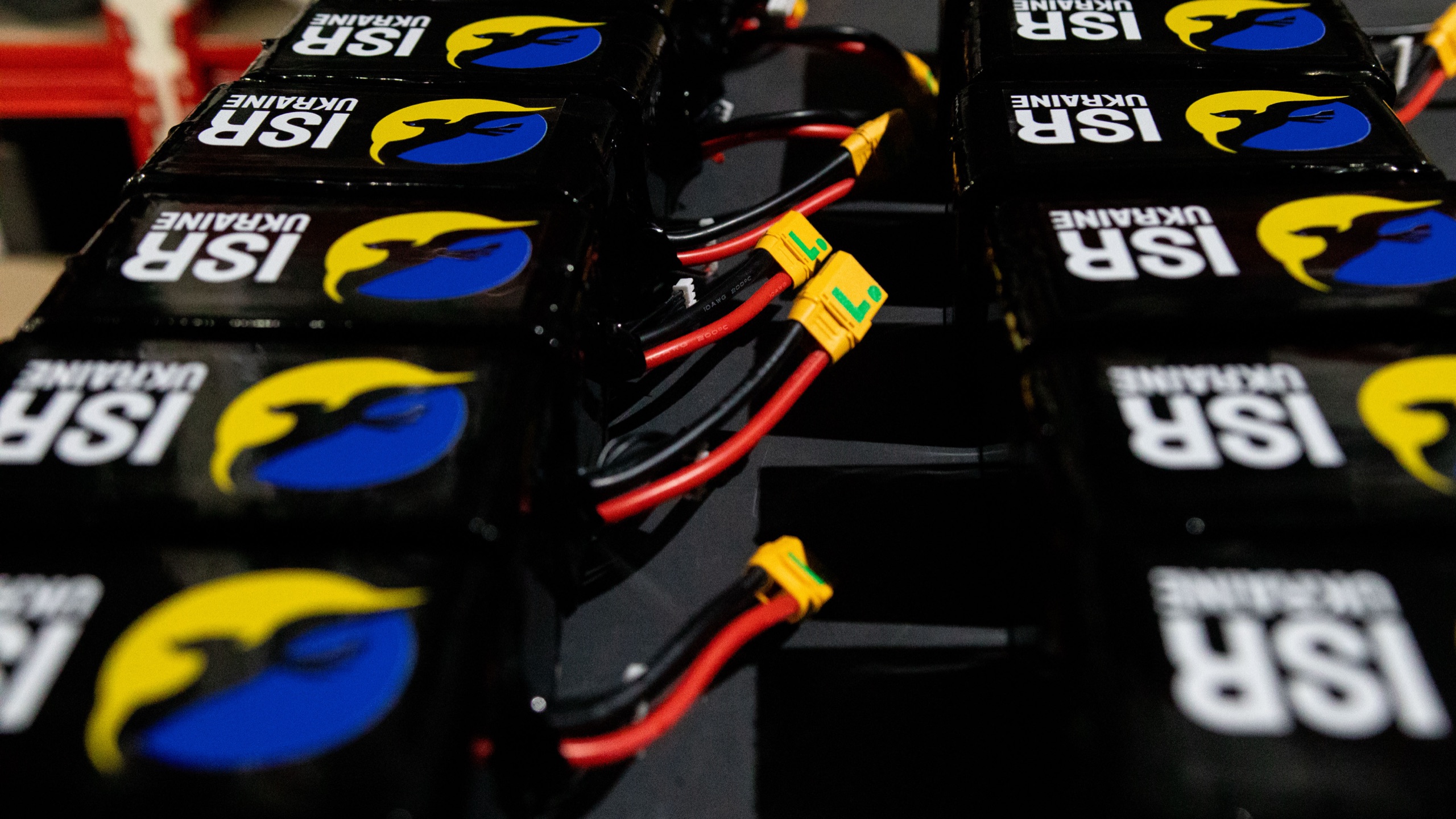
Як FPV-дрони в Україні стали окремою технологічною галуззю
FPV-дрони в Україні перестали бути нішевим інструментом окремих підрозділів і перетворилися на повноцінний сегмент оборонної технологічної індустрії. Західні медіа описують український досвід як приклад того, як дешеві, швидко масштабовані безпілотні системи змінюють структуру бойових дій, логіку закупівель і саме уявлення про сучасну військову ефективність. Reuters, Financial Times і The Economist сходяться в одному: FPV вже не можна розглядати лише як “дешеву альтернативу”, бо вони стали окремим класом технології з власною економікою, виробничим циклом і темпом інновацій.
Від волонтерського рішення до системного ринку
Одна з головних причин швидкого зростання FPV-напряму в Україні — здатність ринку працювати швидше за традиційний оборонний цикл. За даними Reuters, у 2025 році Україна планувала закупити близько 4,5 млн FPV-дронів, що приблизно утричі більше за показник попереднього року. При цьому 96% таких дронів у попередньому циклі постачання були українського виробництва, а на напрям було закладено понад $2,6 млрд. Це свідчить не просто про попит, а про формування великої внутрішньої виробничої екосистеми з локальними командами, контрактами, компонентною кооперацією та новими підходами до серійності.
Що саме зробило FPV настільки важливими
Сила FPV полягає у поєднанні кількох факторів: відносно низької вартості, швидкості виробничого циклу, гнучкості конфігурацій та високої адаптивності до змін на полі бою. Саме це дозволяє українському сектору постійно оновлювати платформи, електроніку, засоби зв’язку й програмні рішення. Financial Times у своїх матеріалах про “kill zone” в Україні описує, як дрони фактично змінили фронтову географію: зона ризику для техніки й особового складу розширилася, а небо стало постійно насиченим безпілотними системами різних класів. У цій реальності FPV виконують роль не тимчасового доповнення, а базового елементу нової тактичної архітектури.
Масовість не означає простоту
Популярність FPV часто створює хибне враження, ніби йдеться про “просту” технологію. Насправді західні оглядачі все частіше підкреслюють, що ефективність FPV визначається не лише самим дроном, а всією системою навколо нього: якістю збірки, стабільністю каналів зв’язку, рівнем підготовки операторів, доступом до компонентів, програмним стеком, стійкістю до радіоелектронного впливу та швидкістю інженерних ітерацій. The Economist із посиланням на оцінки RUSI зазначав, що значна частка FPV може не досягати цілі через дію РЕБ, помилки пілотування та інші фактори. Це означає, що реальна конкурентоспроможність галузі вимірюється не кількістю зібраних виробів, а здатністю підвищувати відсоток результативності в складному середовищі.
Чому українська модель привернула увагу Заходу
Для західних медіа український FPV-сектор цікавий не лише як феномен воєнного часу, а як модель оборонного виробництва нового типу. Його ключові риси — швидке тестування, короткий цикл зворотного зв’язку, постійне вдосконалення і тісний зв’язок між фронтовим досвідом та інженерною командою. Саме це відрізняє українську дронову індустрію від повільніших бюрократичних моделей, які довго домінували в оборонному секторі багатьох країн. На тлі зростання міжнародного інтересу до українських безпілотних технологій ця модель дедалі частіше розглядається як окрема школа оборонного R&D.
FPV-дрони в Україні — це вже не просто категорія виробів. Це окрема технологічна галузь, що формує попит на електроніку, програмні рішення, засоби зв’язку, виробничі процеси, тестування та нові підходи до масштабування оборонних систем. Саме тому тема FPV в українському контексті сьогодні важлива не лише для військового сектору, а й для ширшого розуміння того, як виглядатиме оборонна промисловість найближчих років.
How FPV drones in Ukraine became a distinct technological industry
FPV drones in Ukraine have ceased to be a niche tool of individual units and have transformed into a full-fledged segment of the defence technology industry. Western media describe the Ukrainian experience as an example of how cheap, rapidly scalable unmanned systems are changing the structure of combat operations, the logic of procurement, and the very notion of modern military effectiveness. Reuters, Financial Times, and The Economist converge on one point: FPV can no longer be regarded merely as a “cheap alternative,” because they have become a distinct class of technology with its own economics, production cycle, and pace of innovation.
From a volunteer solution to a systemic market
One of the main reasons for the rapid growth of the FPV direction in Ukraine is the market’s ability to work faster than the traditional defence cycle. According to Reuters, in 2025 Ukraine planned to purchase about 4.5 million FPV drones, which is approximately three times more than the previous year’s figure. At the same time, 96% of such drones in the previous supply cycle were of Ukrainian manufacture, and more than $2.6 billion was budgeted for this direction. This indicates not just demand, but the formation of a large internal production ecosystem with local teams, contracts, component cooperation, and new approaches to serial production.
What exactly made FPV so important
The strength of FPV lies in the combination of several factors: relatively low cost, the speed of the production cycle, configuration flexibility, and high adaptability to changes on the battlefield. It is precisely this that allows the Ukrainian sector to constantly update platforms, electronics, communication tools, and software solutions. Financial Times, in its materials about the “kill zone” in Ukraine, describes how drones have effectively changed the frontline geography: the risk zone for equipment and personnel has expanded, and the sky has become constantly saturated with unmanned systems of various classes. In this reality, FPV play the role not of a temporary supplement, but of a basic element of the new tactical architecture.
Mass scale does not mean simplicity
The popularity of FPV often creates the false impression that this is a “simple” technology. In reality, Western observers increasingly emphasise that the effectiveness of FPV is determined not only by the drone itself, but by the entire system around it: the quality of assembly, the stability of communication channels, the level of operator training, access to components, the software stack, resistance to electronic warfare effects, and the speed of engineering iterations. The Economist, citing RUSI assessments, noted that a significant share of FPVs may fail to reach their target due to the effects of EW, piloting errors, and other factors. This means that the real competitiveness of the industry is measured not by the number of units assembled, but by the ability to increase the percentage of effectiveness in a complex environment.
Why the Ukrainian model attracted the West’s attention
For Western media, the Ukrainian FPV sector is interesting not only as a wartime phenomenon, but as a new type of defence production model. Its key features are rapid testing, a short feedback cycle, constant improvement, and a tight connection between frontline experience and the engineering team. It is precisely this that distinguishes the Ukrainian drone industry from the slower bureaucratic models that long dominated the defence sector of many countries. Against the backdrop of growing international interest in Ukrainian unmanned technologies, this model is increasingly regarded as a distinct school of defence R&D.
FPV drones in Ukraine are no longer just a category of products. They are a distinct technological industry that shapes demand for electronics, software solutions, communication tools, production processes, testing, and new approaches to scaling defence systems. This is exactly why the topic of FPV in the Ukrainian context is important today not only for the military sector, but also for a broader understanding of what the defence industry of the coming years will look like.